Heepitiya Ancial Temple
Pallegama, Panwila , Kandy,
Sri Lanka


Pallegama, Panwila , Kandy,
Sri Lanka
Heepitiya Ancient Temple is a historically significant Buddhist temple with deep cultural and spiritual importance. It was officially recognized as a World Heritage site in 2007, highlighting its value as a treasured landmark of Sri Lanka’s religious history.
Heepitiya Ancient Temple is also a sacred and spiritually significant place of worship located in the Panvila area of Sri Lanka. With a rich spiritual heritage rooted in ancient traditions, the temple has long served as a center of religious devotion, moral guidance, and community unity. For generations, the temple has played a vital role in preserving and promoting Theravada Buddhist teachings. It provides a well-established Dhamma School, nurturing young minds with Buddhist values, discipline, and cultural education. Through regular Dhamma sermons, meditation programs, and religious observances, the temple continues to guide devotees on the path of wisdom and compassion. Beyond its religious services, the Viharaya actively engages in social and spiritual activities that benefit the local community. It serves as a gathering place for religious festivals, community welfare programs, and charitable initiatives, strengthening harmony and spiritual growth among the people of Panvila and surrounding areas. Heepitiya Ancient Temple stands not only as a place of worship but also as a beacon of peace, tradition, and community service—preserving the sacred heritage of Buddhism for present and future generations.
According to local folklore, the temple is believed to have been established during the reign of King Sri Narendrasinhā . Historical narratives suggest that Devanārāyana, the son of Singhanārāyana (a chief commander of the king), had a son named Devapathirāja . Devapathirāja, who served as a village leader, is believed to have donated the land required to construct this temple. Even today, he is venerated by devotees as “Heepitiya Deviyan” or “Gambara Deviyan,” and offerings are made in his honor. The temple was completed and formally offered to the Buddhist Order in August 1848.
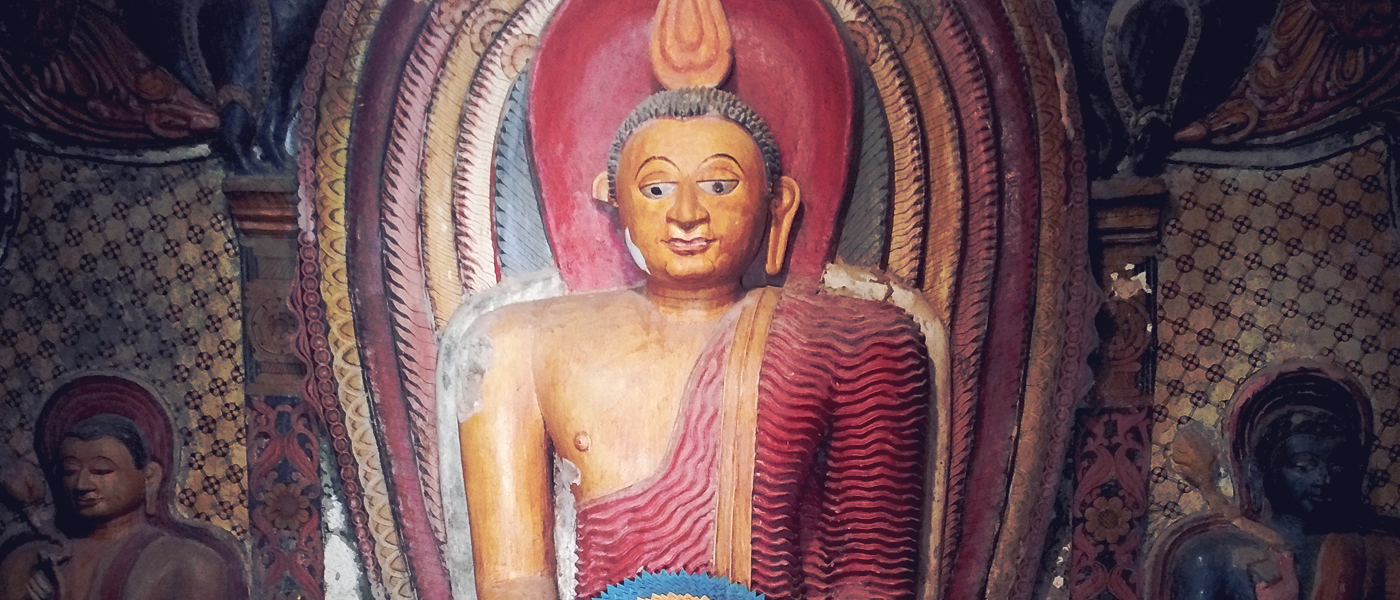
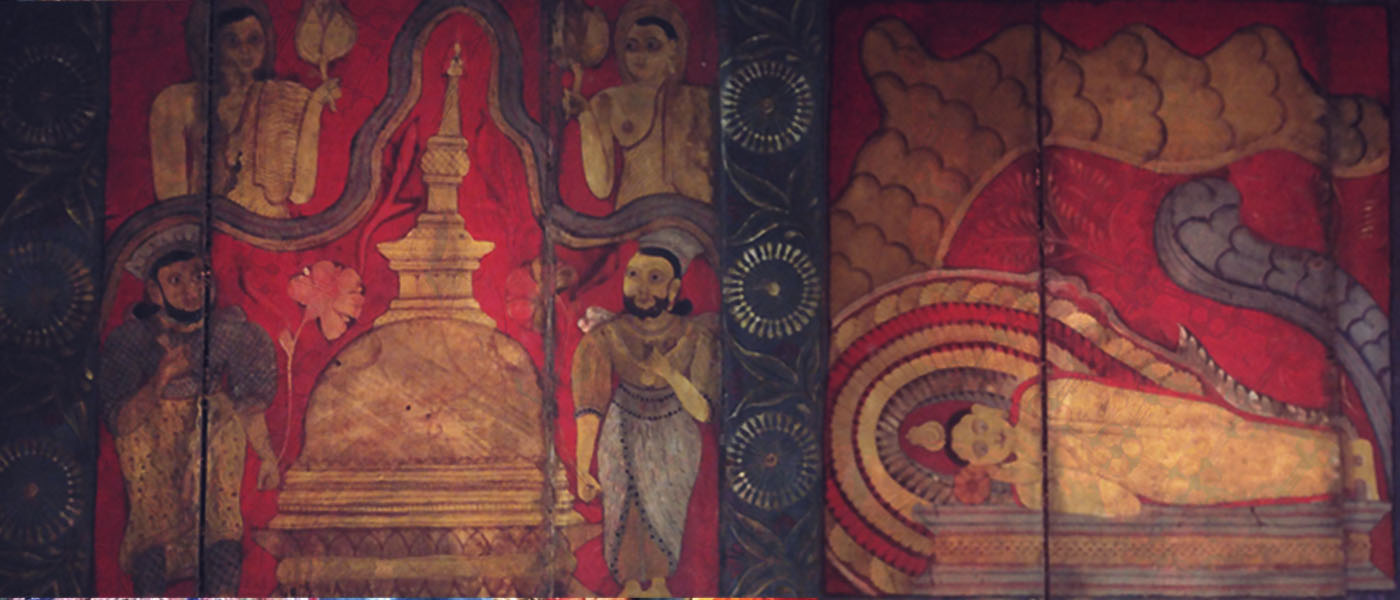
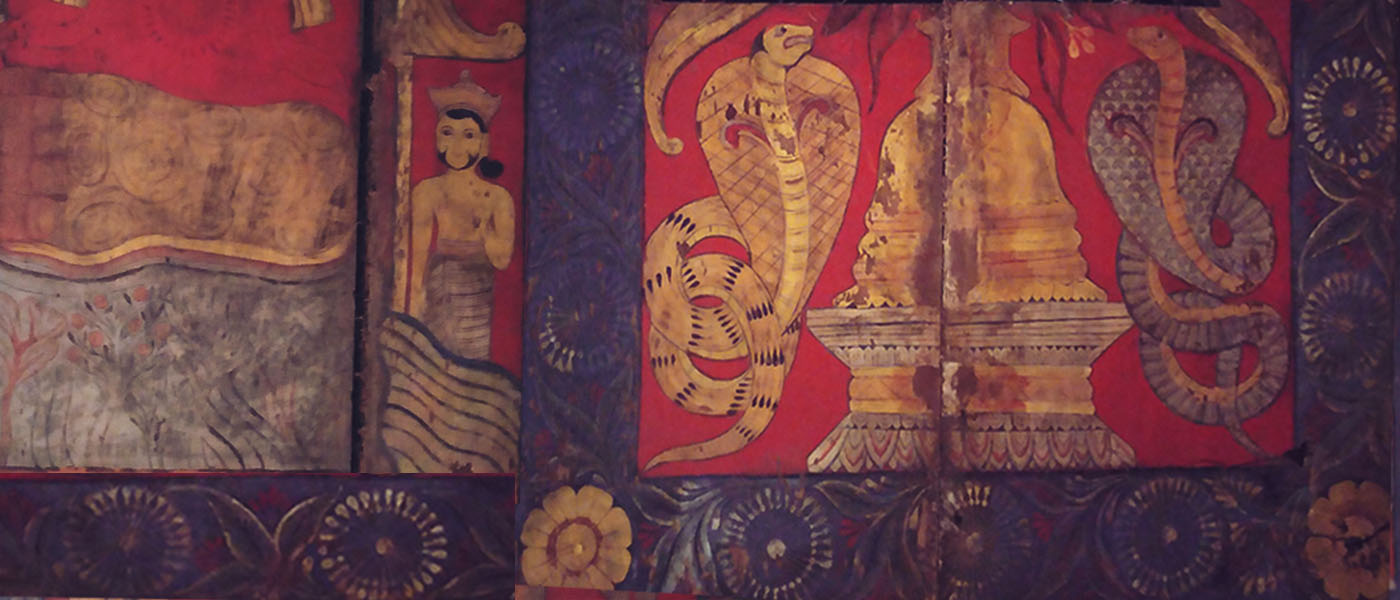
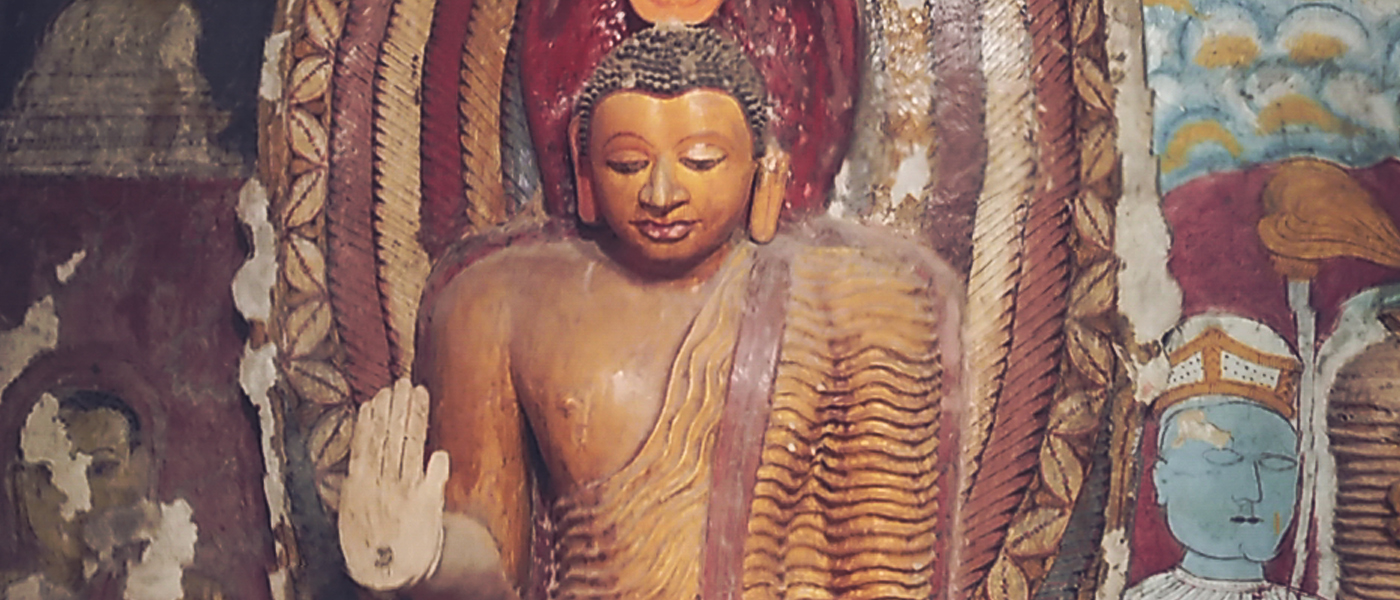
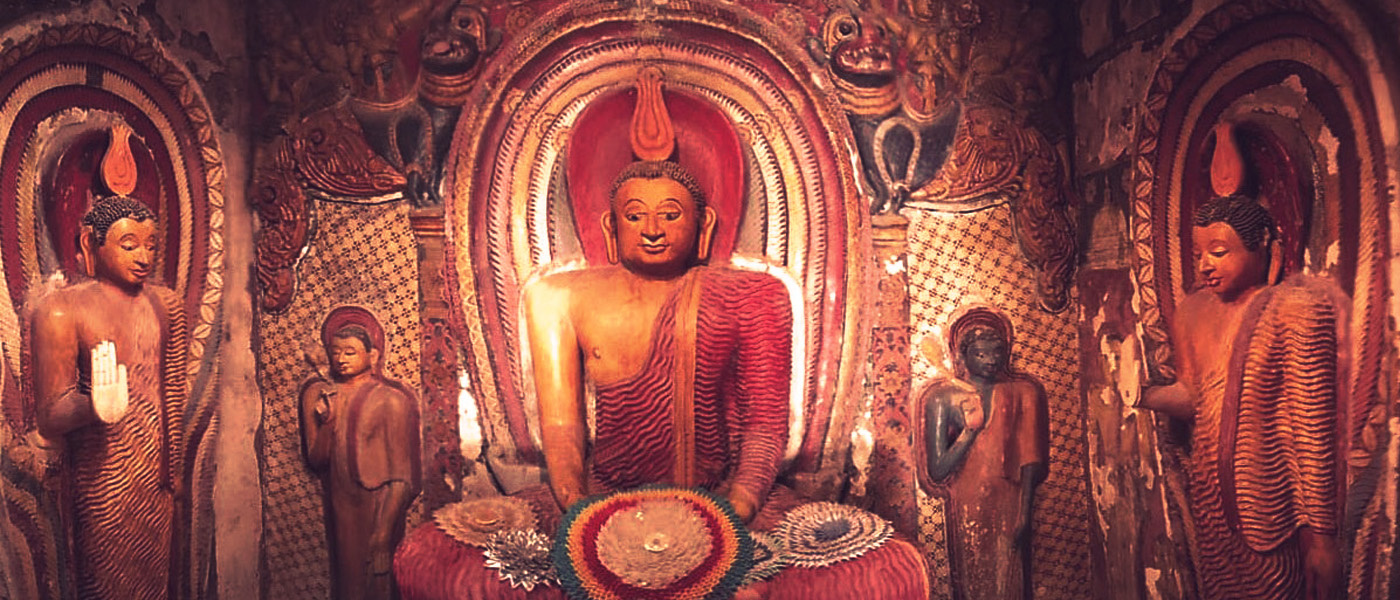
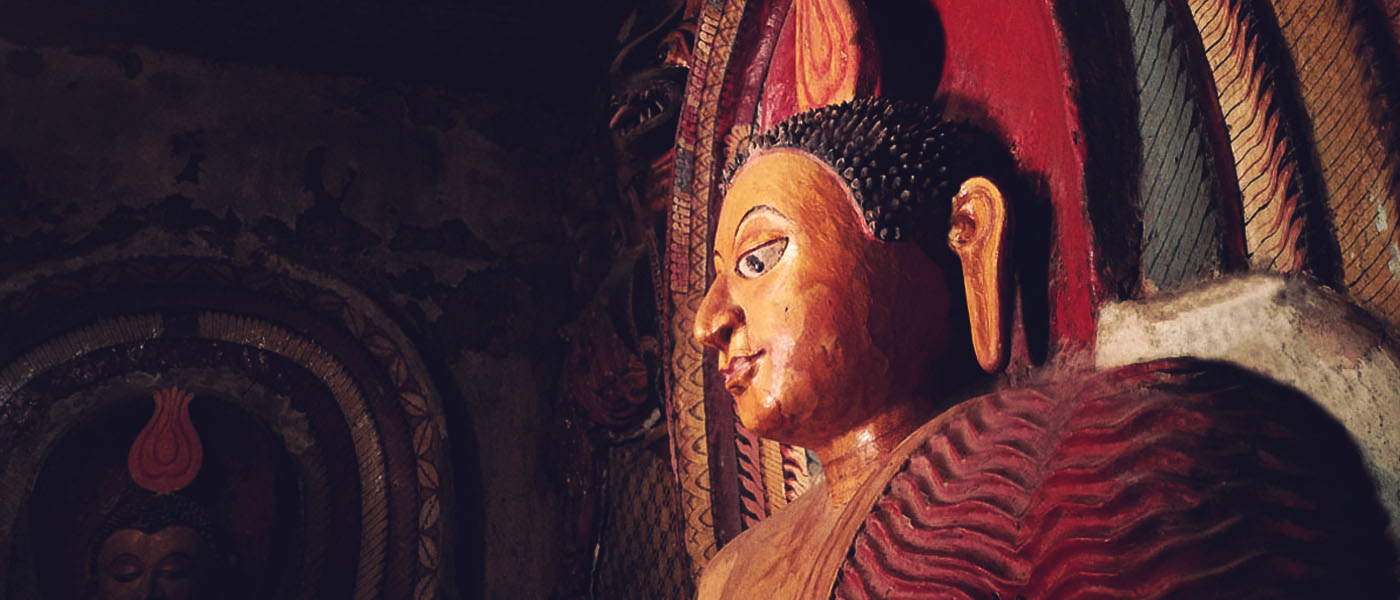
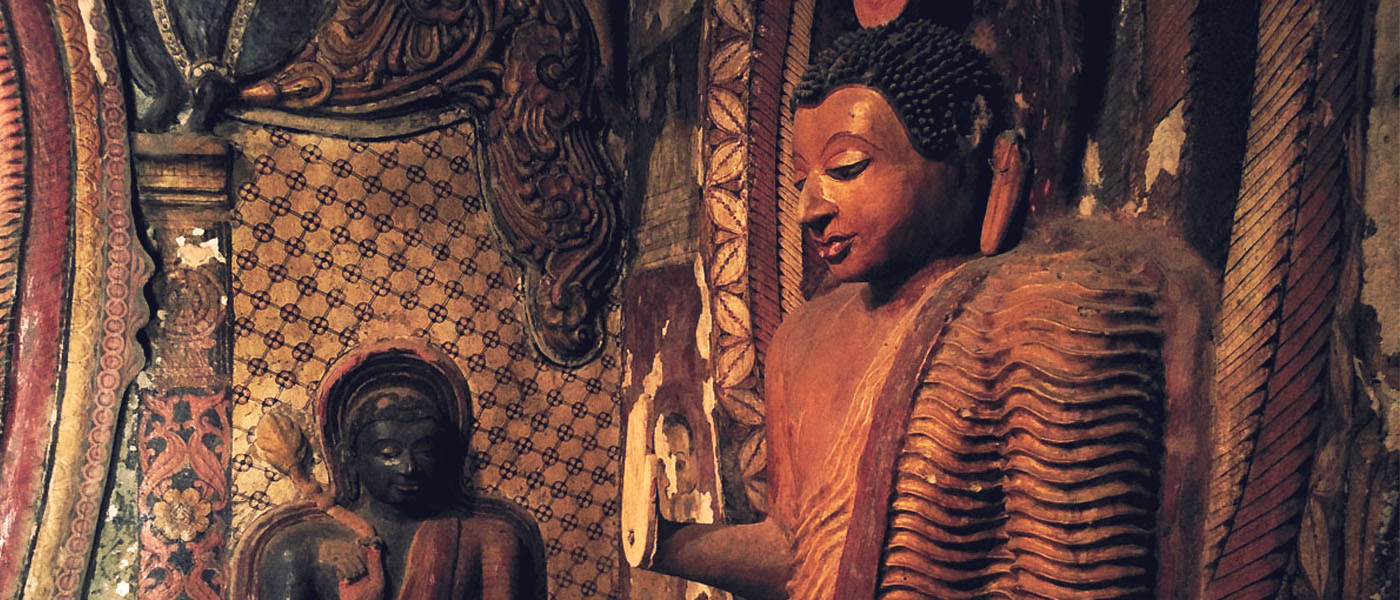
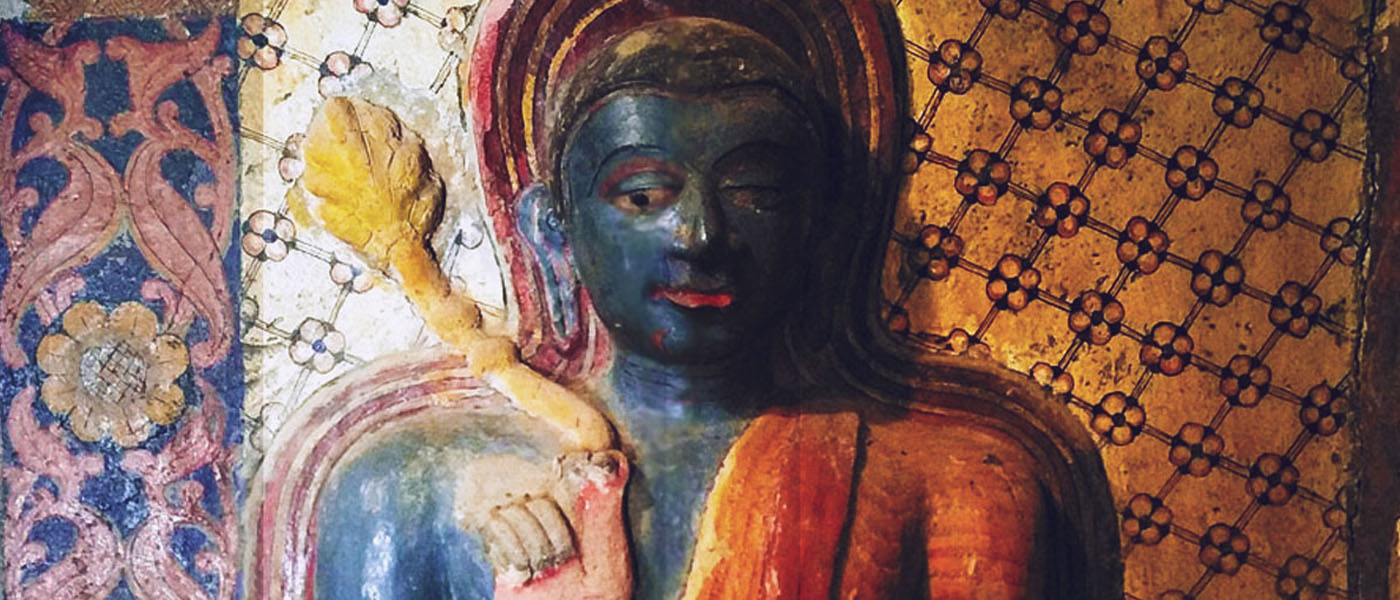
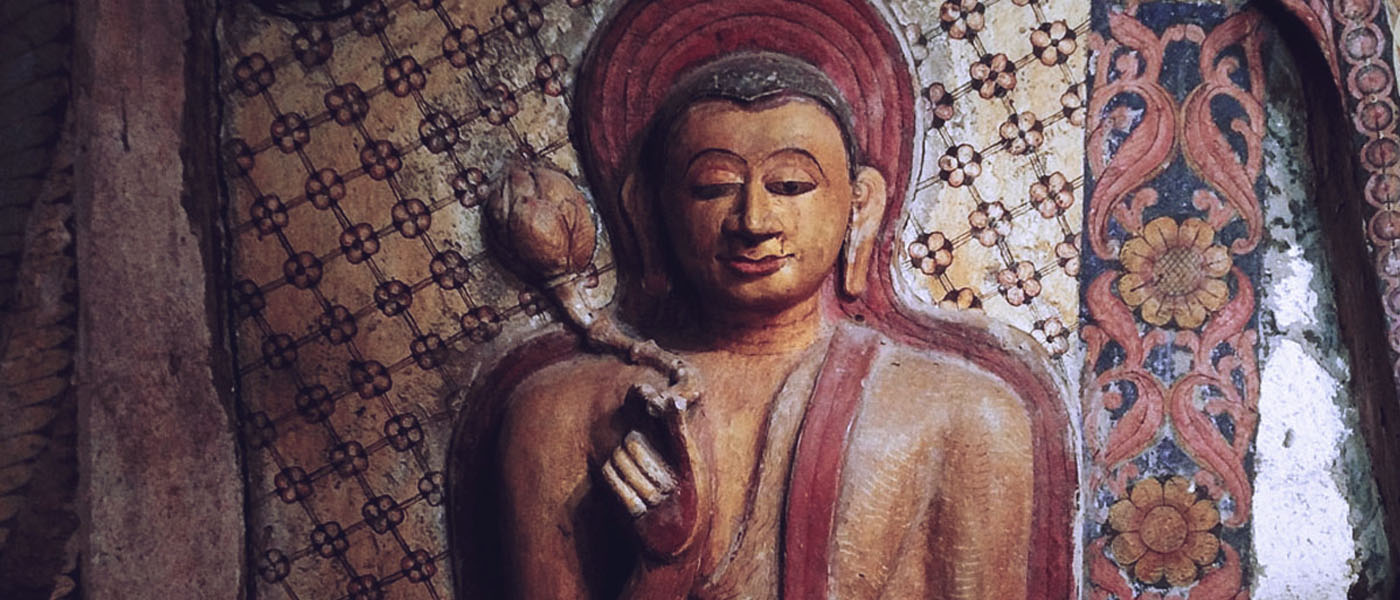
Throughout the temple premises, visitors can still witness Kandyan-era paintings and intricate wood carvings , reflecting its rich artistic and historical heritage.
To be a spiritually inspiring and community-centered Buddhist temple that preserves the noble teachings of the Buddha, nurtures moral values in future generations, and promotes peace, compassion, and harmony within society.
To be a spiritually inspiring and community-centered Buddhist temple that preserves the noble teachings of the Buddha, nurtures moral values in future generations, and promotes peace, compassion, and harmony within society.
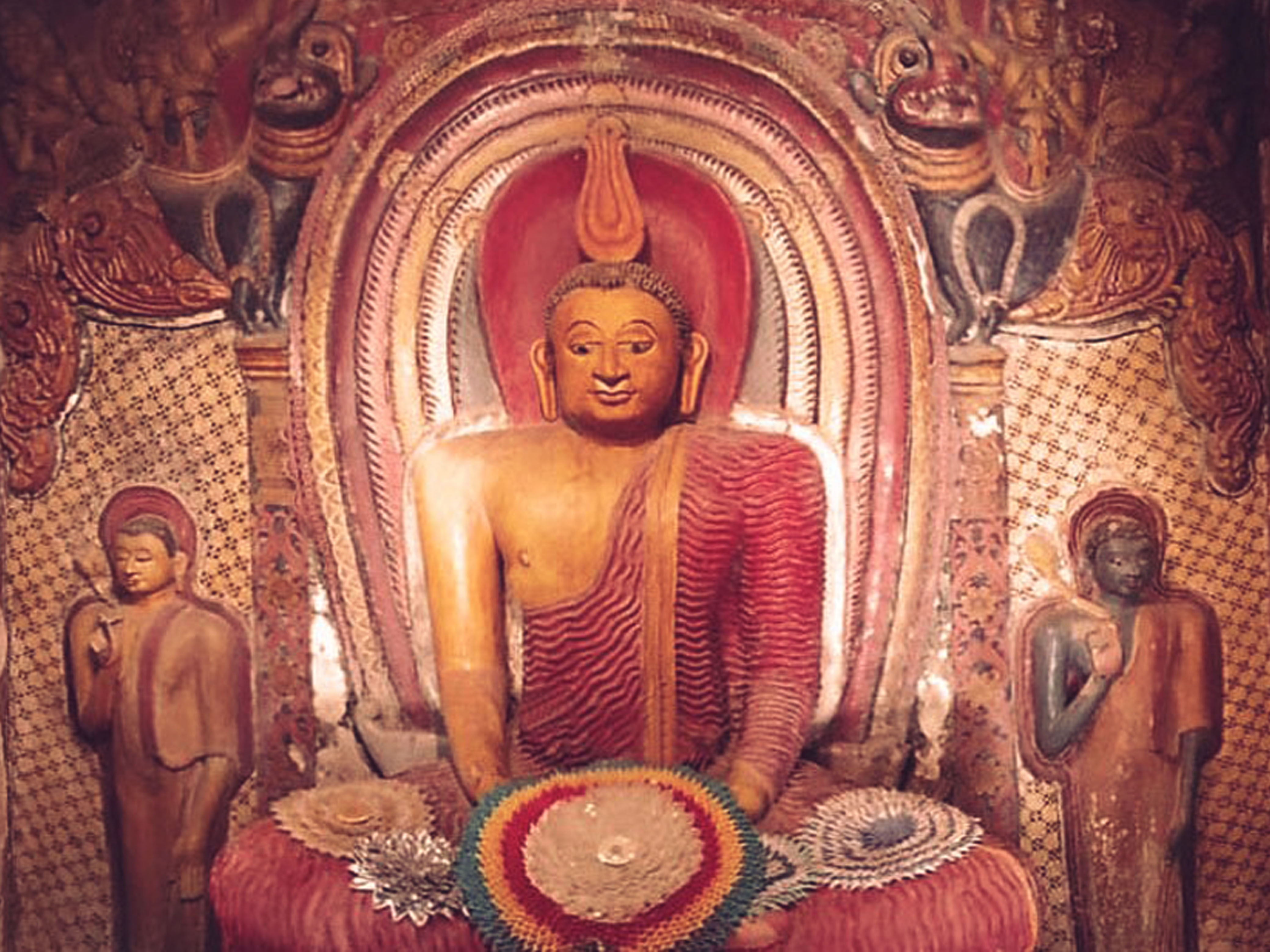
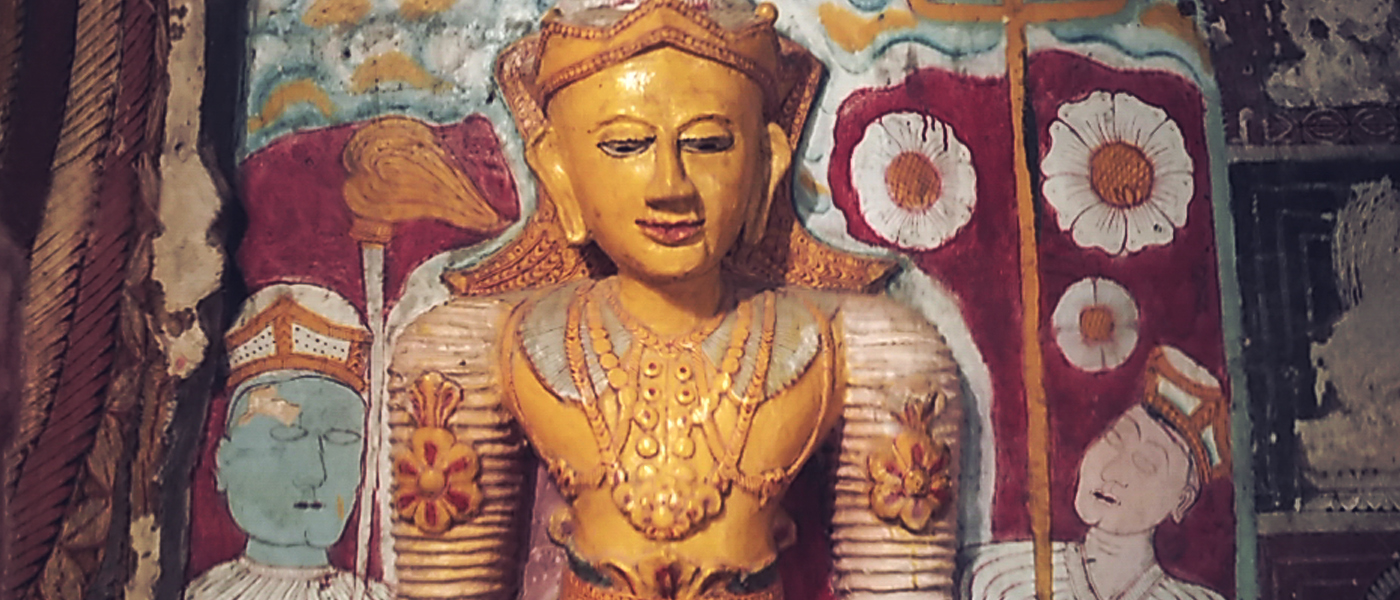
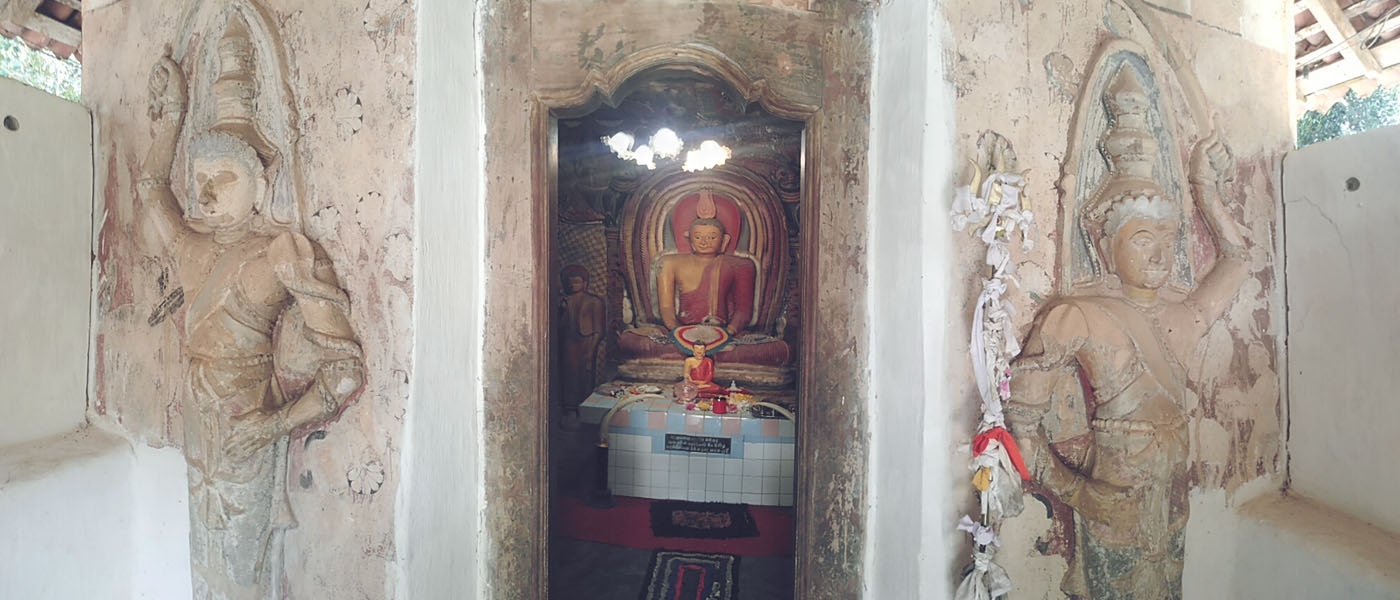
The Viharage features Kandyan-era paintings and statues, including ancient Buddha statues of significant historical value. It also houses a statue believed to represent Heepitiya Deviyan, along with traditional architectural elements such as the Makara Thorana and Solosmasthana designs. Additionally, the outer walls of the Vihara Ge display ancient paintings depicting scenes of hell (apaya), which are culturally and historically important artistic works.
View More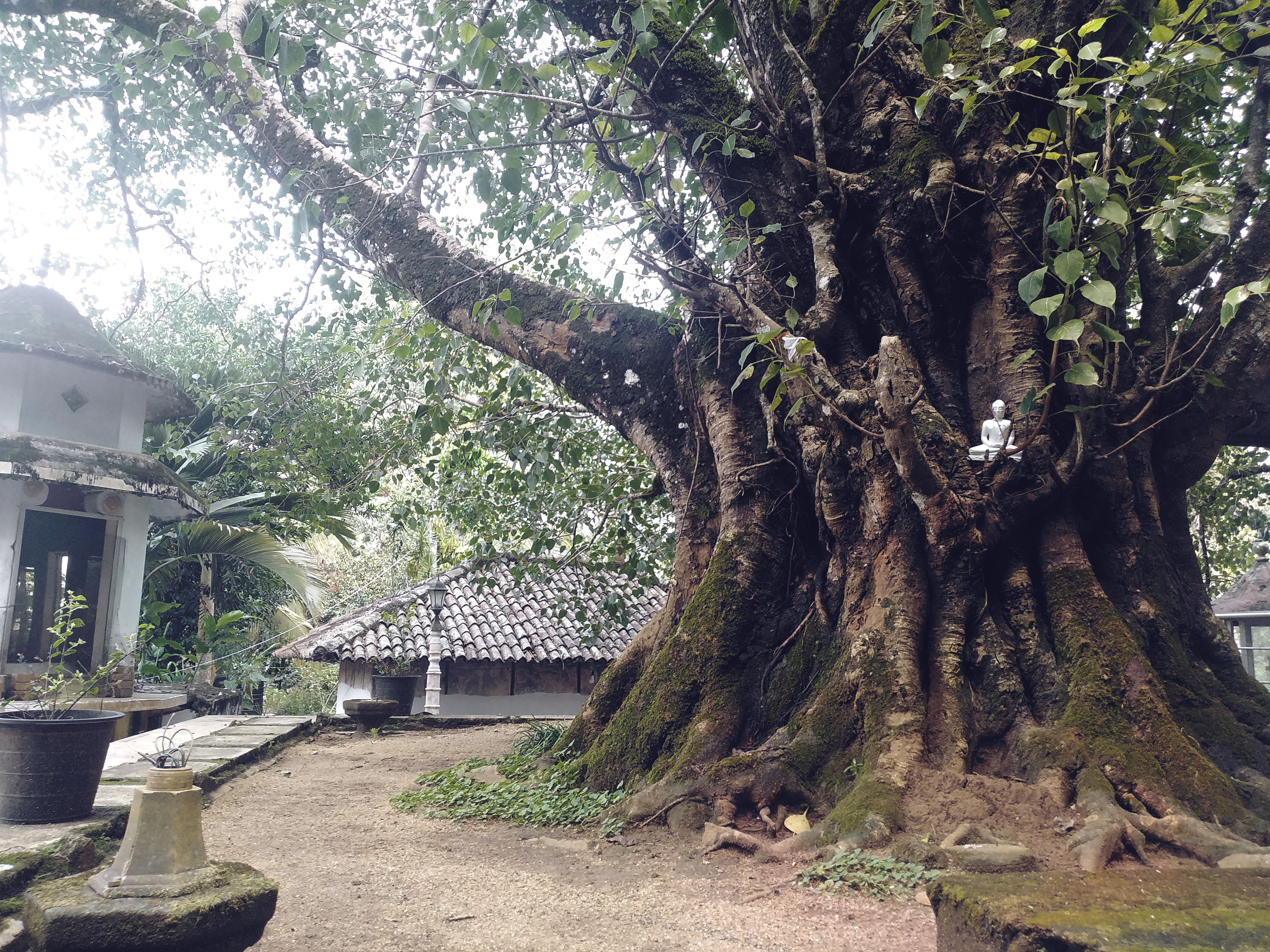
The Bodhi tree is believed to have been planted during the reign of King Sri Narendrasinhā by Devapathirāja, the village leader. It is also associated with the year 1848 and holds great religious significance for devotees.
View More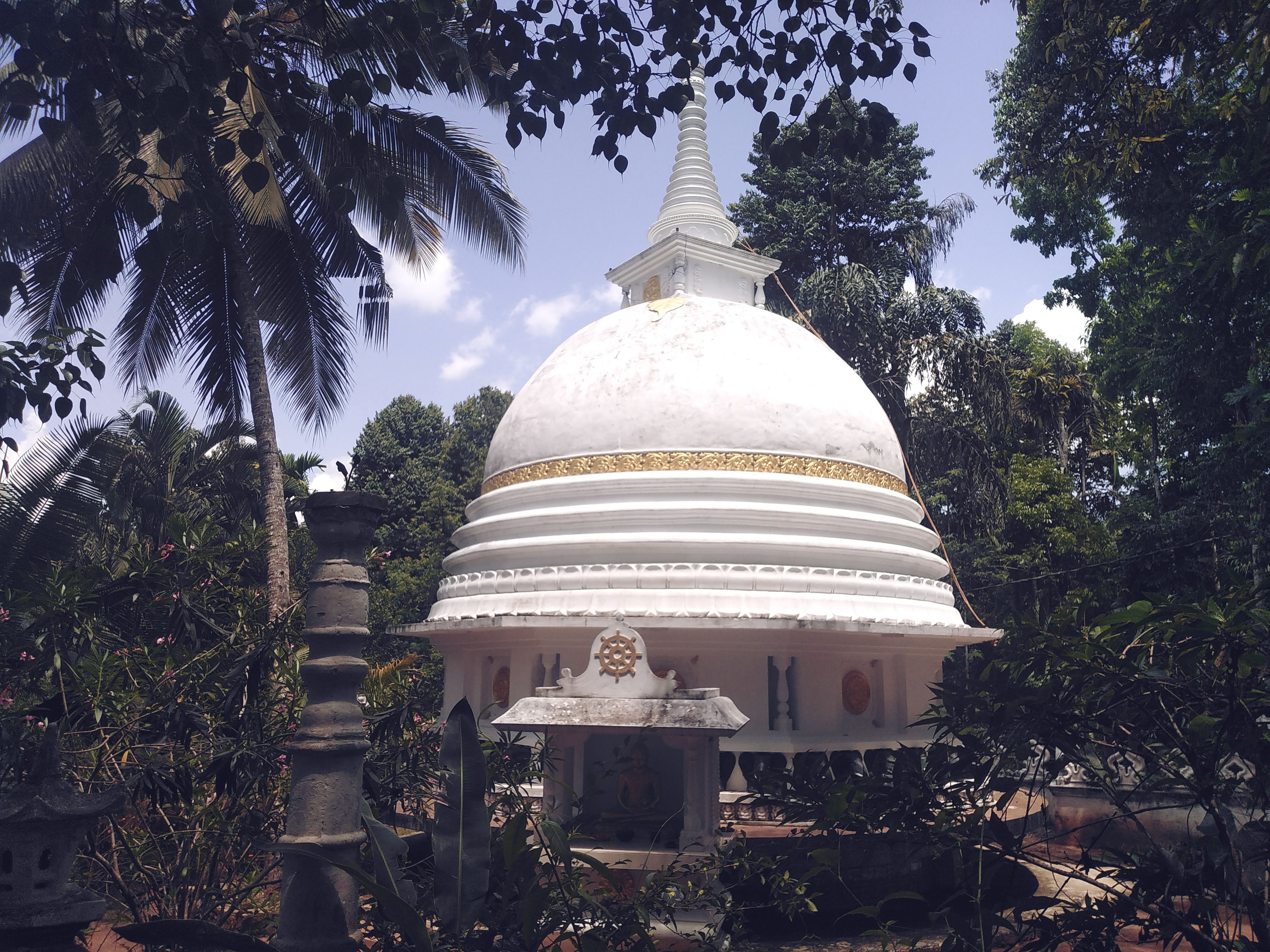
The sacred Stupa stands as a symbol of devotion and faith, where devotees gather to offer flowers and engage in religious observances. Constructed in 2019
View More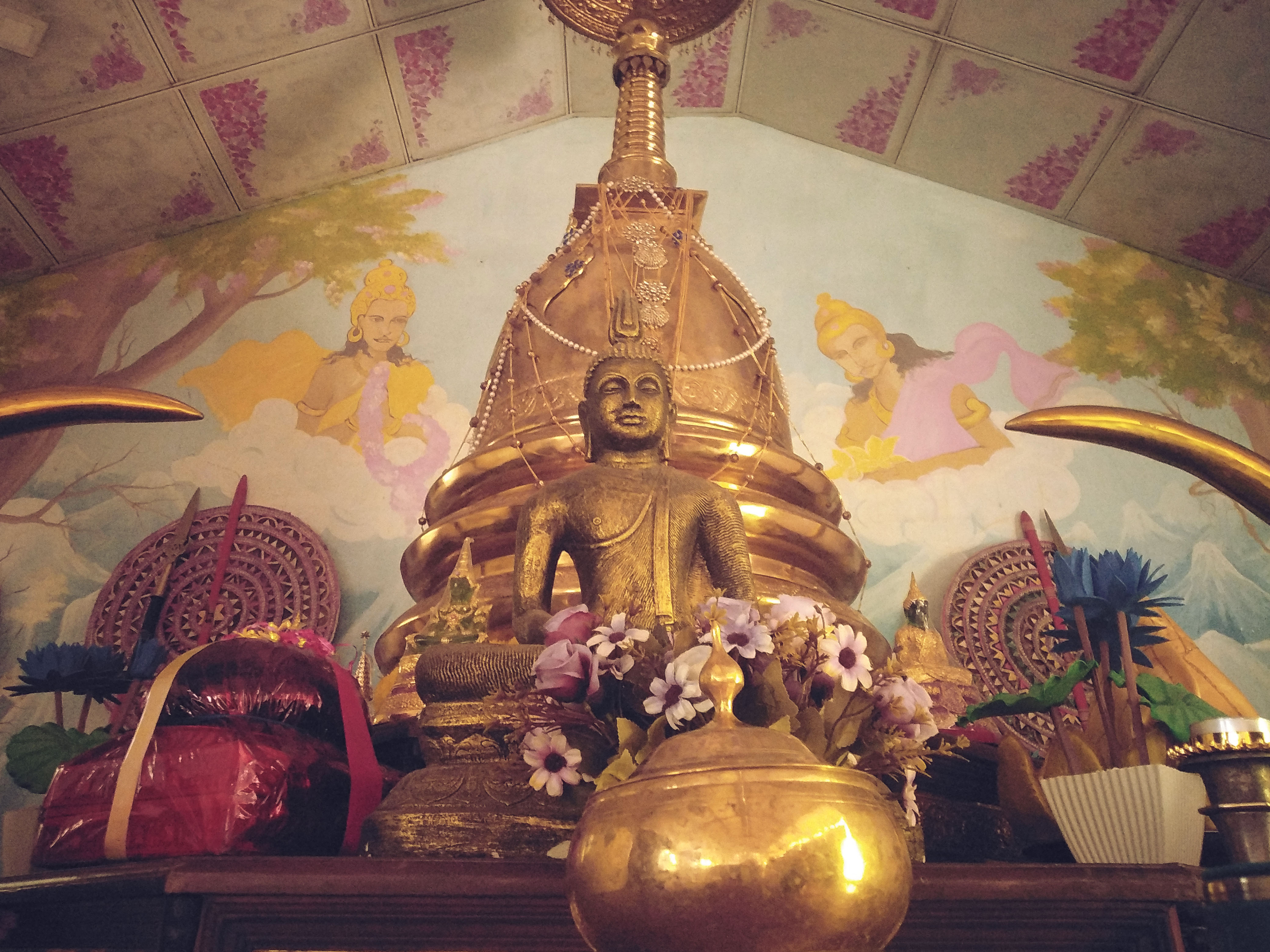
The sacred Stupa stands as a symbol of devotion and faith, where devotees gather to offer flowers and engage in religious observances.
View More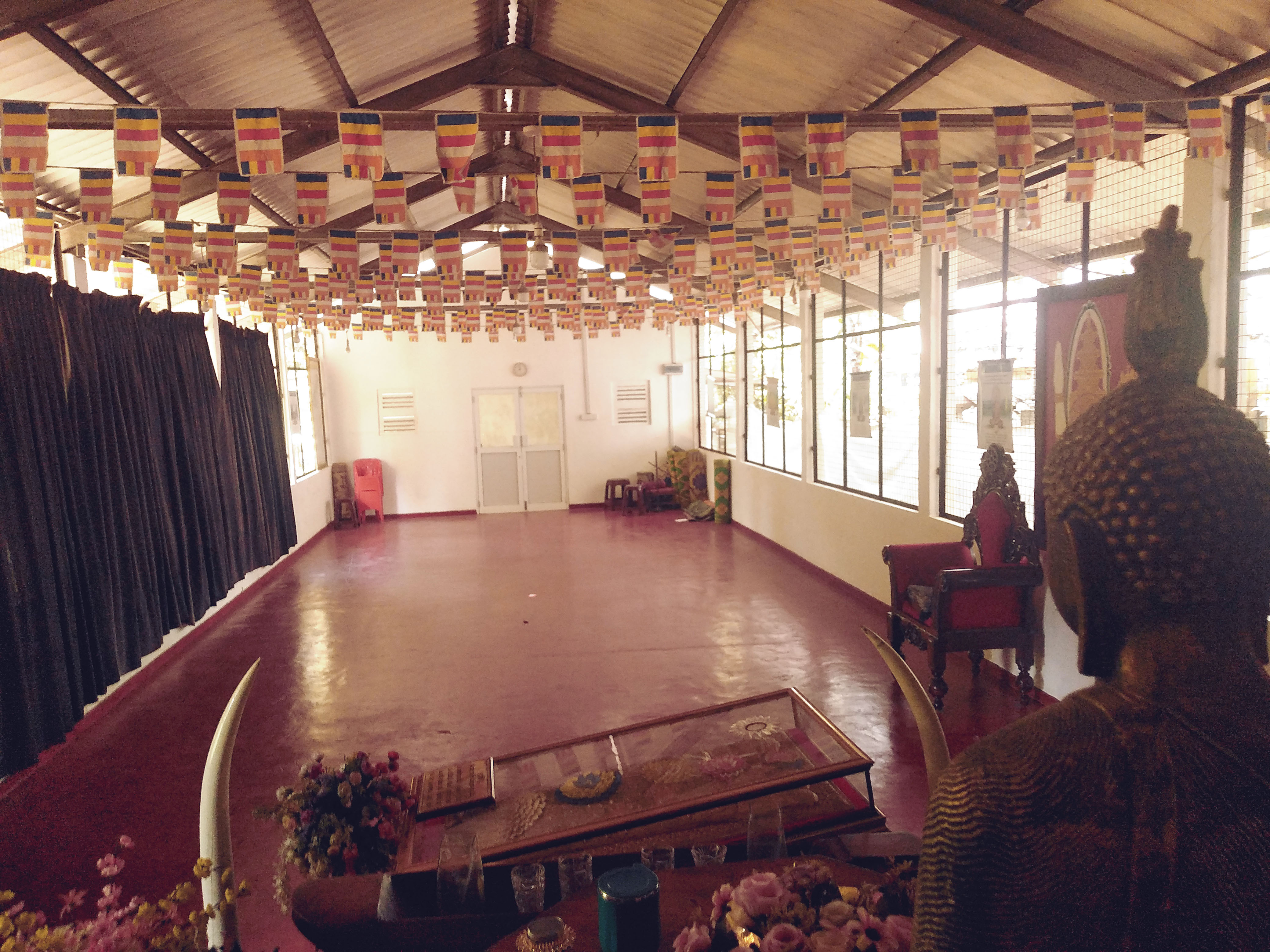
Constructed in 2019, the Dharmashalawa has seating capacity for approximately 200 people, providing space for religious programs, sermons, and community gatherings.
View More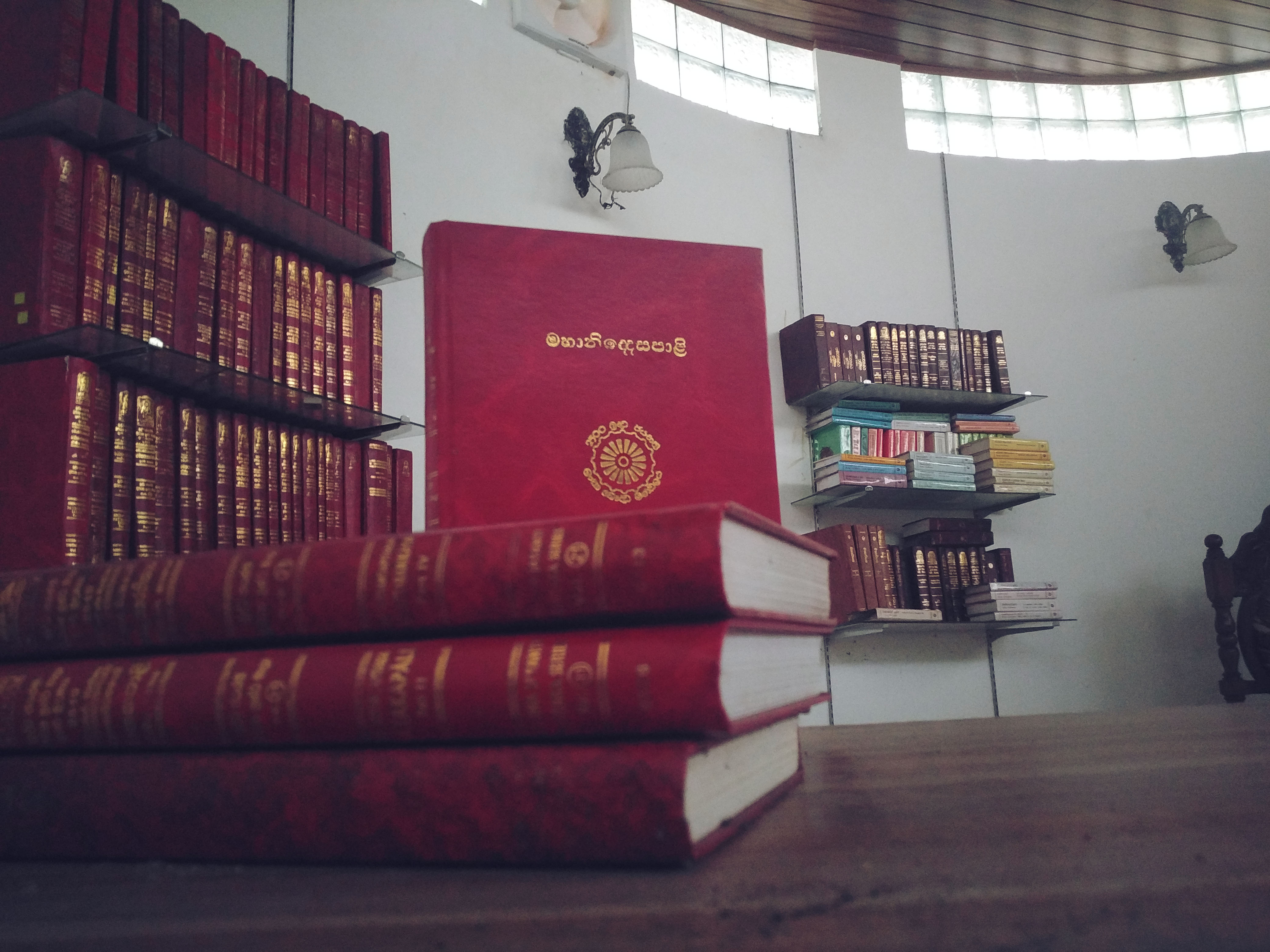
Constructed in 2019, the Thripitaka Mandiraya has seating capacity for approximately 20 people, providing space for study tripitakaya.
View More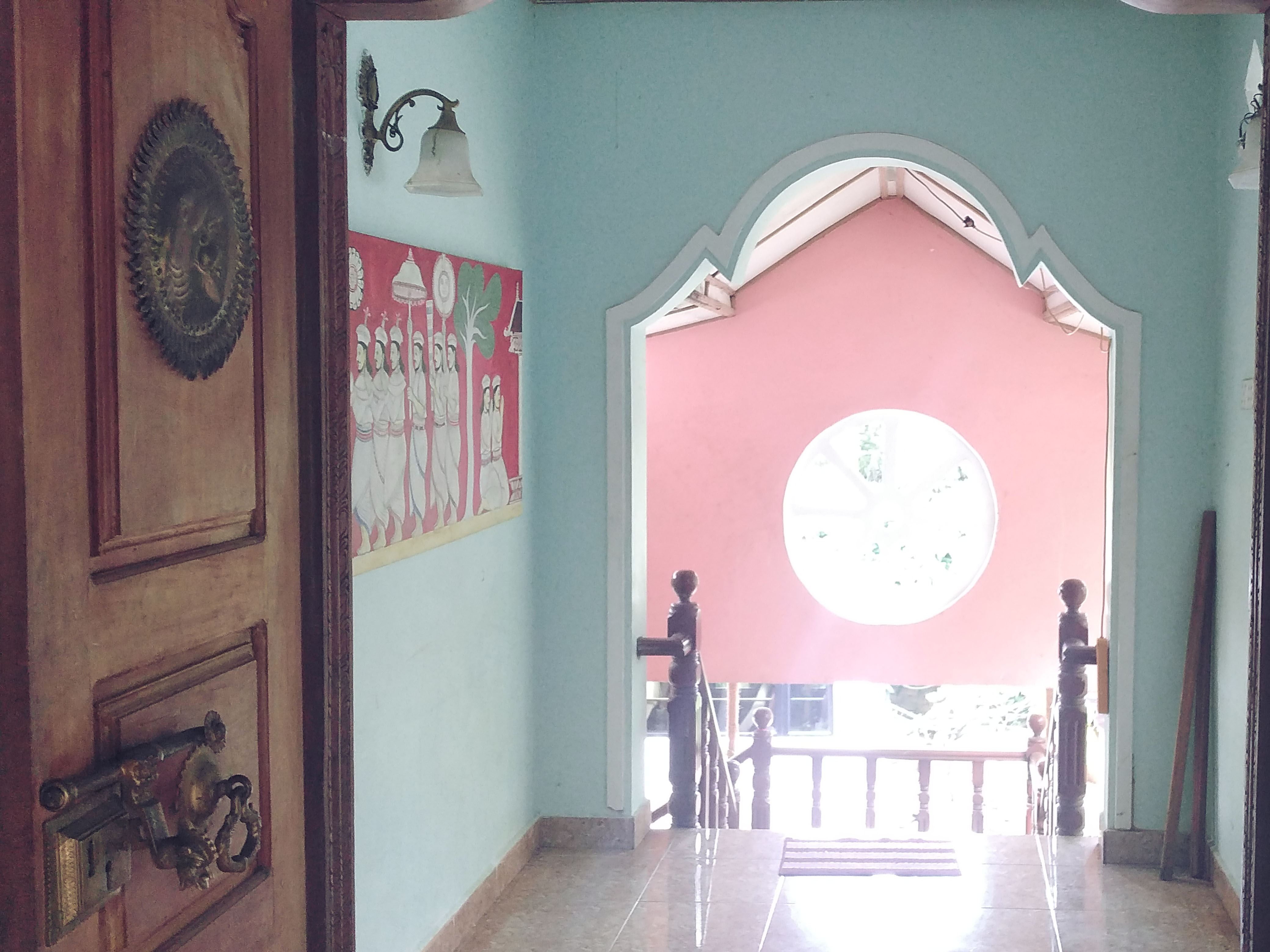
Built in 2011, this residence can accommodate up to four monks, offering a suitable environment for monastic living and practice.
View More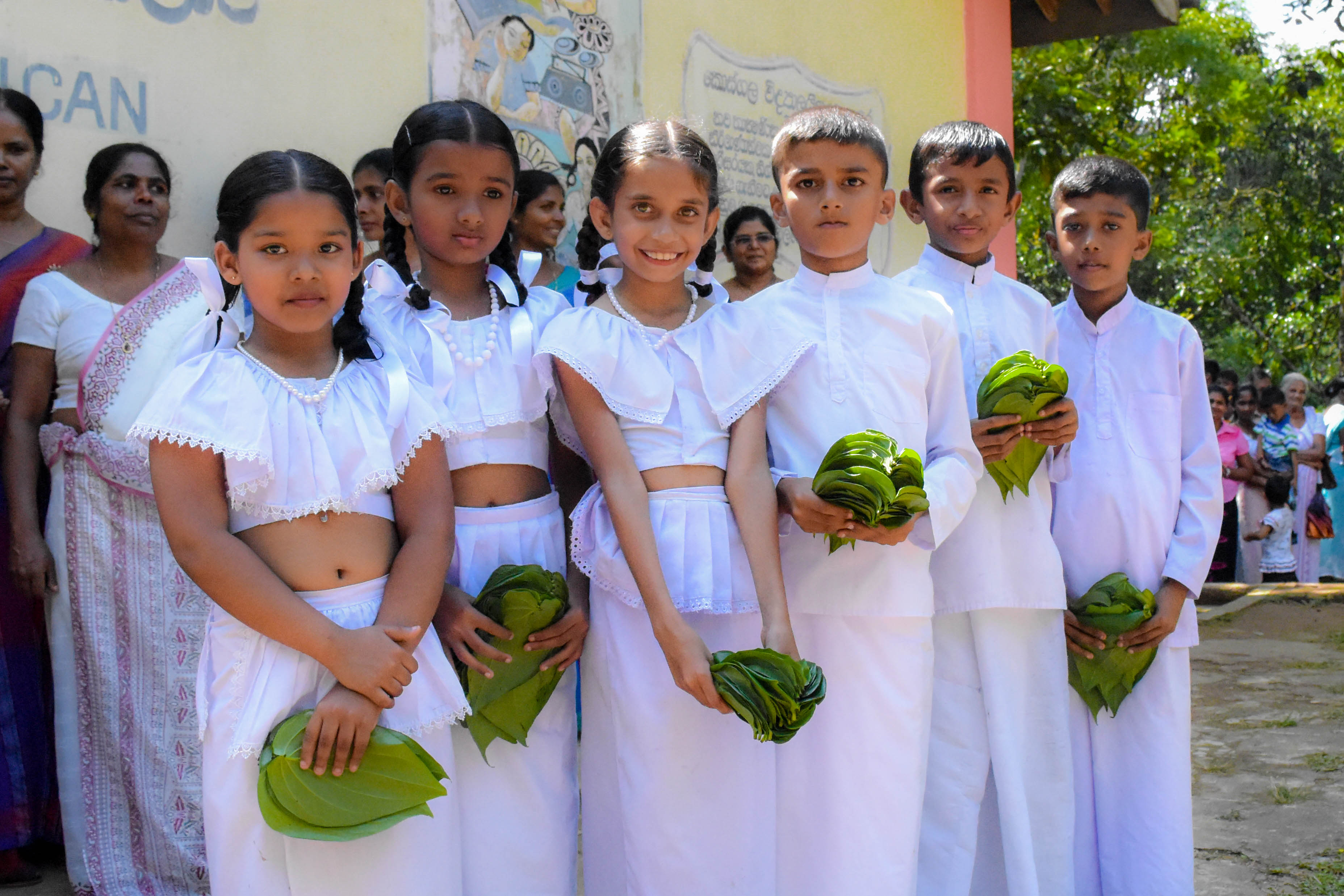
Date: 10 January 2026 - The Daham Pasala Annual Prize Giving Ceremony was held to appreciate the dedication and achievements of students. Certificates and awards were presented to outstanding students who demonstrated excellence in Dhamma studies and discipline.
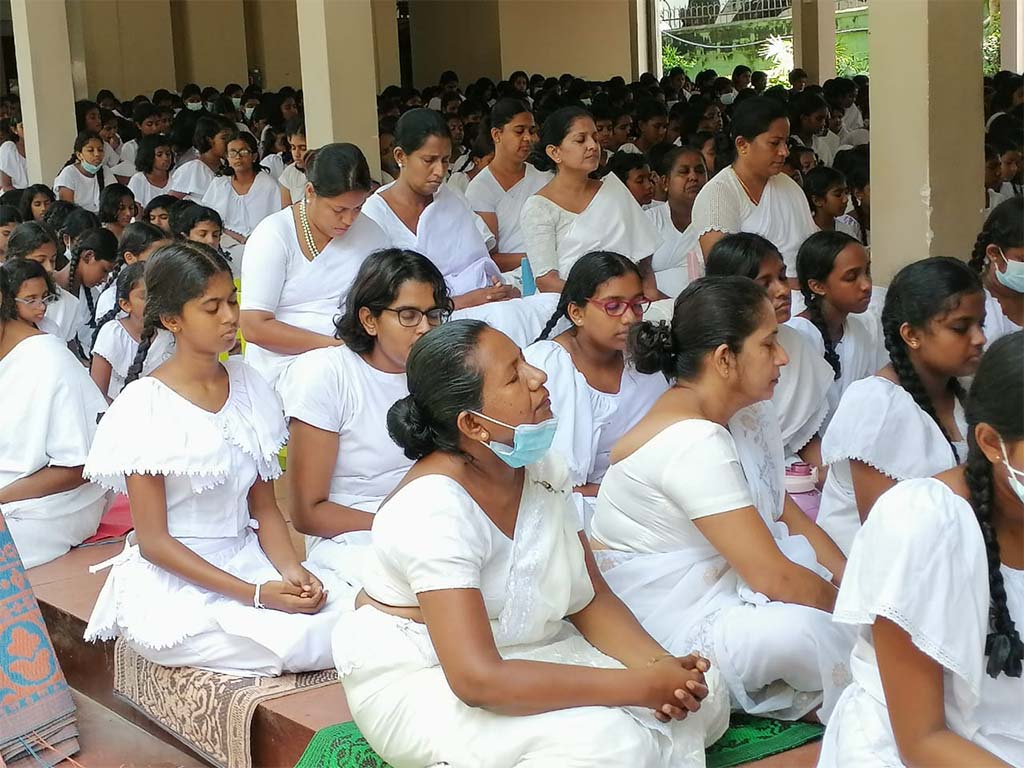
Date: 24 February 2026 Heepitiya Purana Viharaya successfully conducted the Monthly Poya Day Sil Programme with the participation of devotees from Panvila and surrounding areas. The program included Atasil observance, Dhamma sermon, and evening Pirith chanting, fostering spiritual development and community unity.
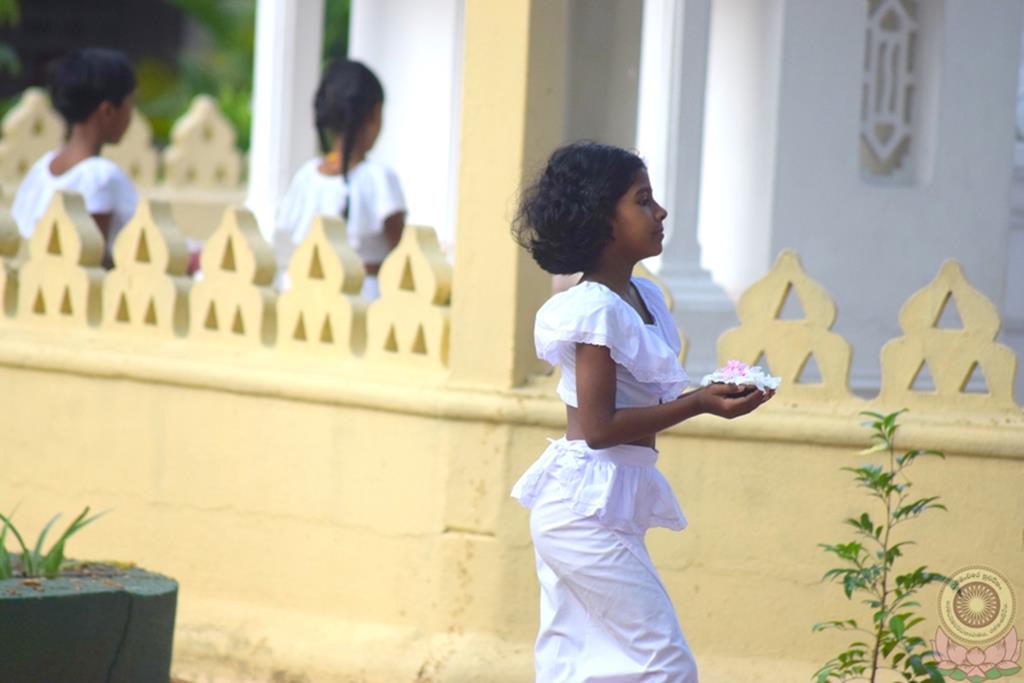
Date: 05 January 2026 A special temple cleaning and community service campaign was organized with the support of devotees and youth members. The program strengthened unity while preserving the sacred environment of the Viharaya for future generations.
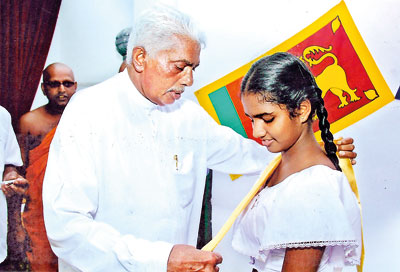
Winning poems from students that convey Buddhist teachings and values.
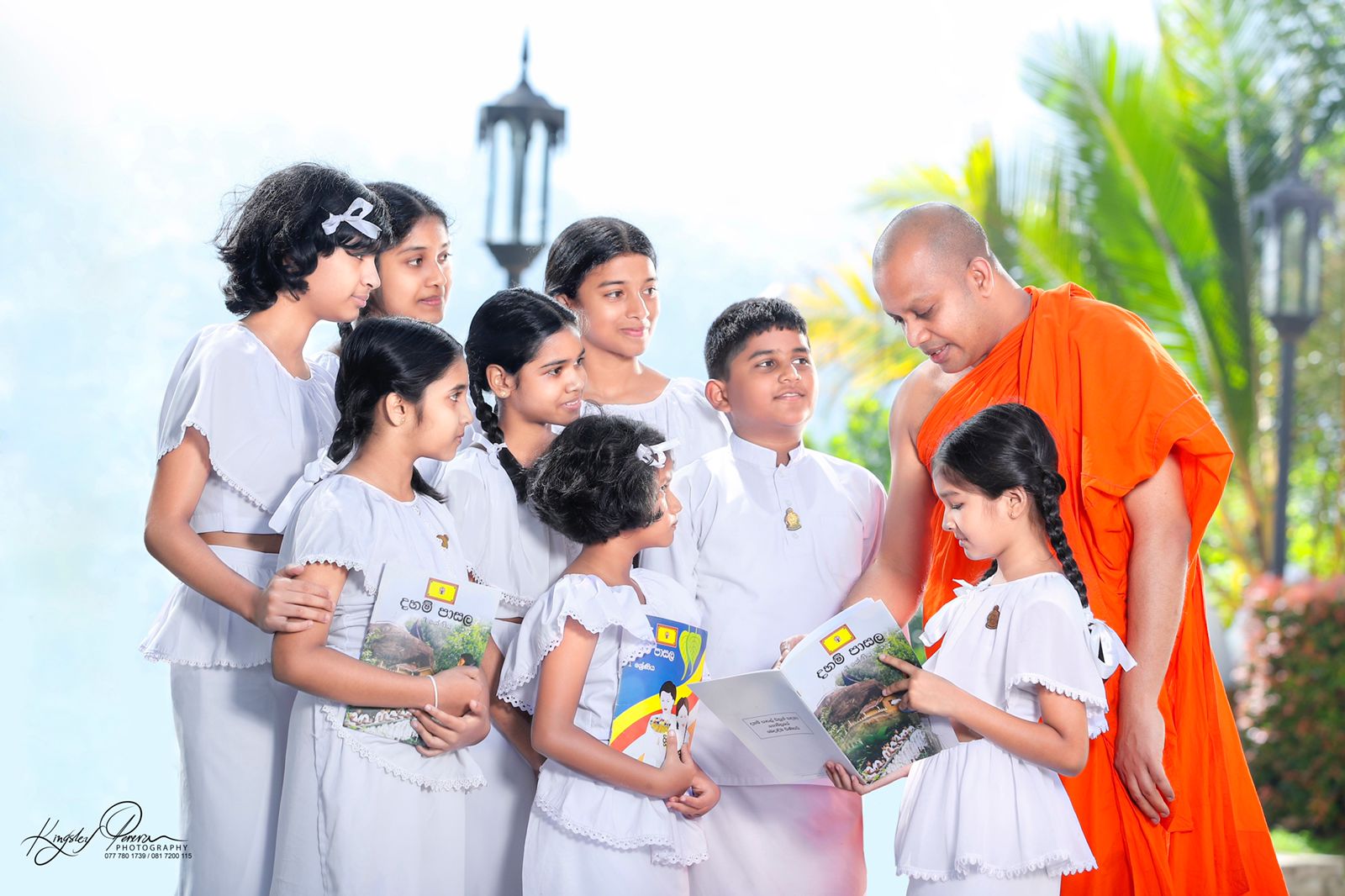
Creative art projects inspired by Dhamma teachings.
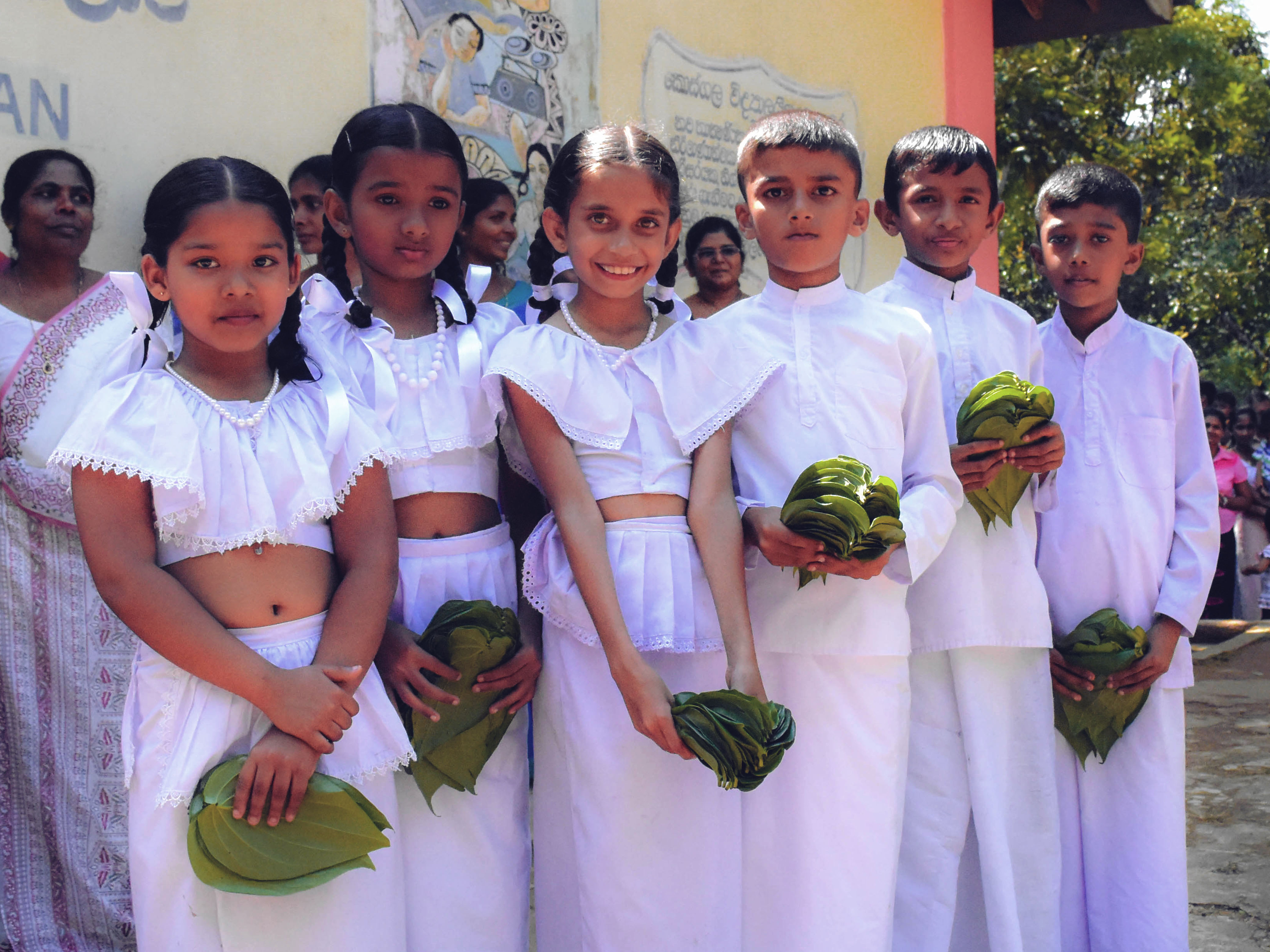
Cultural performances and annual exhibitions conducted at the Viharaya.
Message from the Viharadhipathi
Message from the Viharadhipathi
Cheif Incumbent,Principal,a teacher,Justice of the peace ( for the entire island), Saddharma Bhanaka,Kala Vibushan,
Ven. Diyasenpura Sirisumana,
Contact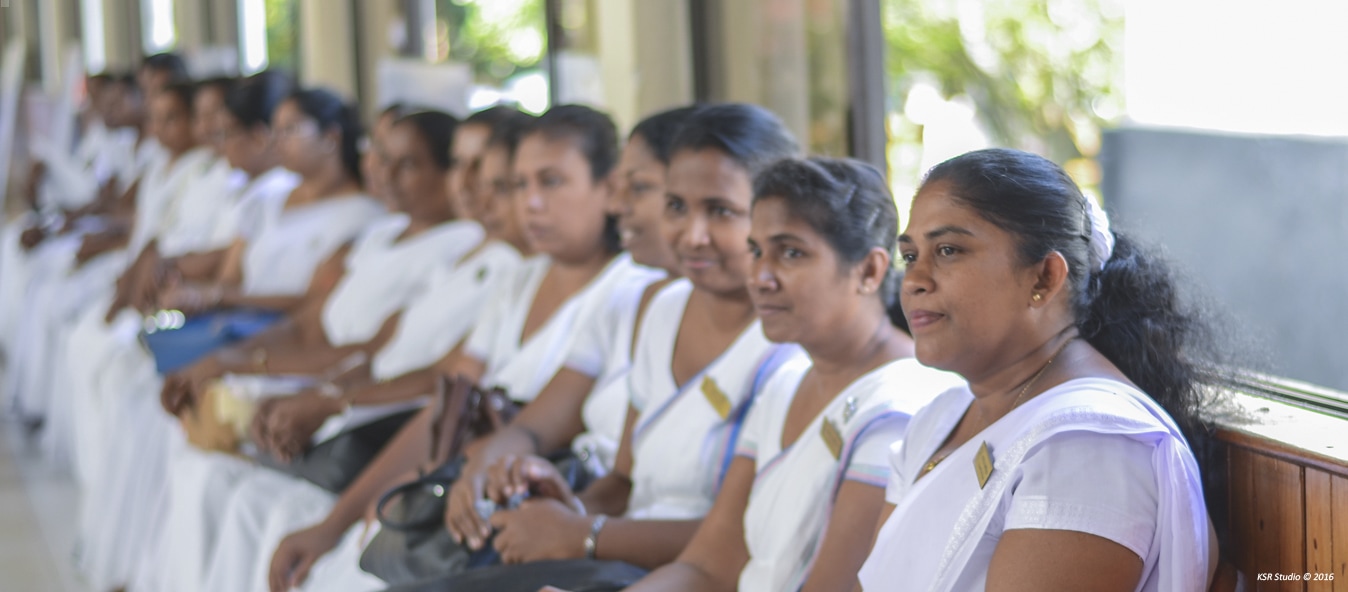
Maintenance and development of Viharaya buildings and grounds.
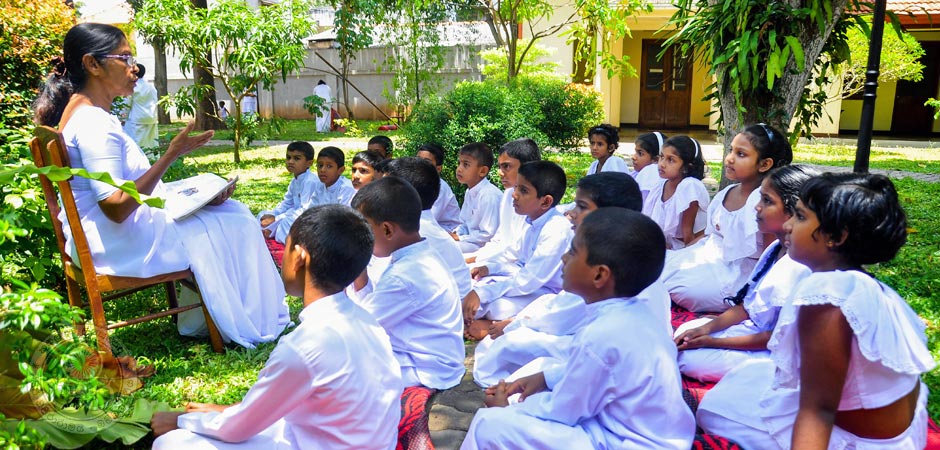
Providing assistance and funding for spiritual education of local children.
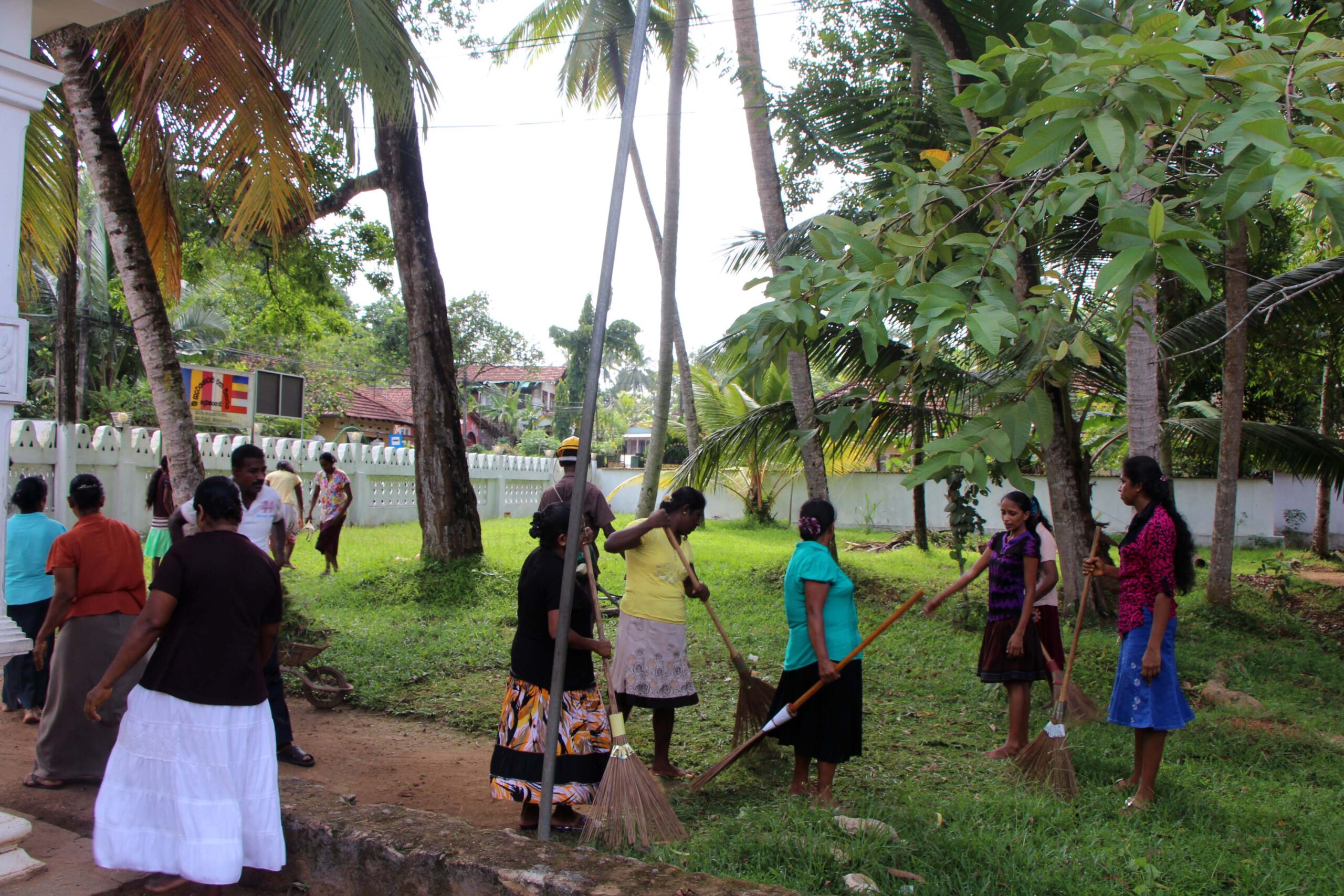
Engaging in local social welfare, charity, and spiritual events.
We warmly invite devotees and well-wishers to participate in the spiritual, social, and development activities of Heepitiya Purana Viharaya.
dssumana0@gmail.com
(+94) 81 247-2414
(+94) 76 307-8418 / +94 71 806-1048
Heepitiya Ancial Temple, Pallegama, Panwila, Kandy, Sri Lanka.
7 Days / 4:30 AM - 9:00 PM